


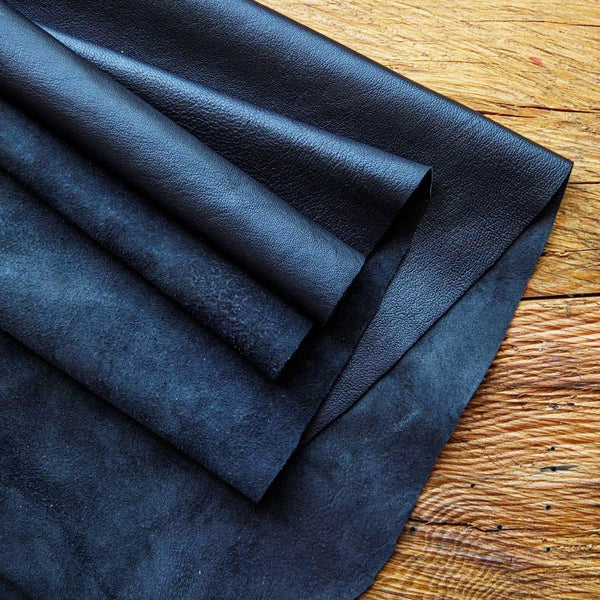
The global fashion industry has always evolved through materials that define eras, trends, and craftsmanship standards. Among these materials, natural leather has remained one of the most influential choices for designers and manufacturers. It represents durability, elegance, and long-term value in both luxury and commercial fashion segments.
Over time, traditional processing methods have transformed raw materials into refined fashion elements used in handbags, footwear, jackets, and accessories. Today, designers are more focused on texture, authenticity, and sustainability than ever before. This shift has led to a renewed interest in natural leather surfaces and advanced finishing techniques that enhance both visual appeal and product performance in modern fashion markets.
The Natural Foundation of Leather Craft
Leather creation begins with raw material selection, where quality determines the final outcome of any product. Skilled artisans carefully inspect texture, thickness, and fiber strength before processing begins. These early stages are crucial because they define how the material will behave during tanning and finishing. Proper treatment ensures flexibility, durability, and long-lasting performance across various applications.
At the heart of this entire process, cattlehide plays a central role in shaping premium leather products used in global fashion industries. It is valued for its strong fiber structure, natural grain variation, and ability to adapt to multiple finishing styles. Designers prefer it because it allows creative freedom while maintaining structural integrity. Whether used in luxury accessories or everyday fashion goods, it consistently delivers a balance of strength and aesthetic appeal that few materials can match in modern design environments.
Evolution from Raw Material to Fashion Identity
Leather fashion has evolved significantly over the decades, moving from basic utility use to high-end luxury expression. In earlier times, leather was mainly used for protection and durability, but modern fashion has transformed it into a symbol of status and creativity. Designers now treat leather as a storytelling medium that reflects culture, innovation, and artistic vision.
Advancements in tanning techniques, dyeing processes, and surface treatments have made it possible to create highly refined textures. This evolution has allowed leather to enter luxury fashion runways, interior design, and even automotive styling. The transformation from raw material to polished fashion item highlights the craftsmanship involved at every stage of production. Today, leather is not just a product material but a core identity element in global fashion branding.
Crafting Process and Design Transformation
The journey from raw hide to finished fashion product involves multiple detailed stages. After initial cleaning and preparation, the material undergoes tanning, which stabilizes its structure and prevents decay. This is followed by conditioning, dyeing, and finishing processes that enhance both strength and appearance. Each stage requires precision and expertise to maintain quality consistency.
Designers and manufacturers also experiment with surface techniques to create unique visual effects. Texture enhancement, polishing, and layering are commonly used methods to improve aesthetic appeal. These processes allow leather to adapt to different fashion categories, from minimalistic designs to bold statement pieces. The final outcome depends heavily on craftsmanship, material quality, and finishing expertise, making each product a result of both science and art.
Embossed Techniques in Modern Leather Design
One of the most innovative developments in leather fashion is the use of surface detailing techniques that enhance visual depth. These methods allow designers to create patterns and textures that elevate the overall appearance of the material.
Modern fashion production frequently incorporates embossed leather sheets to achieve decorative surface effects while maintaining durability. This technique is widely used in luxury handbags, footwear, and fashion accessories where visual identity plays a key role. The embossing process adds artistic value without compromising the natural strength of the material. It also allows brands to create signature patterns that distinguish their collections in competitive markets. This combination of craftsmanship and innovation continues to drive demand in high-end fashion industries.
Applications Across Luxury and Commercial Fashion
Leather remains one of the most versatile materials in the fashion world. It is used in a wide range of products including jackets, belts, wallets, shoes, and premium accessories. Designers value its ability to adapt to different styles, whether classic, modern, or experimental. Its durability ensures long-term usability, while its natural texture adds sophistication to every product.
Luxury brands often use leather as a signature material to establish identity and exclusivity. It is also widely used in seasonal collections where designers experiment with color, texture, and structure. The material’s flexibility allows it to be shaped into both rigid and soft designs, making it suitable for diverse fashion applications. This versatility ensures its continued dominance in global fashion markets.
Market Trends and Sustainability Focus
Modern consumers are becoming more conscious of sustainability and ethical production practices. This shift has influenced how leather is sourced, processed, and distributed in global markets. Manufacturers are now adopting environmentally responsible tanning methods and waste reduction techniques to meet industry standards.
Fashion brands are also prioritizing long-lasting materials that reduce fast-fashion waste. Natural leather, when processed responsibly, offers durability that supports sustainable consumption. This has strengthened its position in both luxury and commercial markets. As a result, demand continues to grow for high-quality materials that combine performance with responsible sourcing practices.
Global Sourcing and Industry Expansion
The leather industry operates through a complex global supply chain that connects raw material suppliers, manufacturers, and fashion brands. Quality control and consistency are essential factors in maintaining product standards across international markets. Businesses rely on trusted suppliers who can deliver reliable materials at scale while maintaining quality assurance.
Many brands now focus on building strong partnerships with verified sourcing channels to ensure production stability. In this evolving market, platforms like exotic leather wholesale play an important role in connecting global buyers with premium material suppliers. This growing network supports fashion houses in meeting increasing demand while maintaining consistency in design and production quality.
Conclusion
The transformation of leather from raw material to refined fashion product reflects centuries of craftsmanship, innovation, and design evolution. It continues to be a cornerstone of luxury fashion due to its durability, versatility, and timeless appeal. From traditional techniques to modern embossing and finishing methods, every stage adds value to the final product.
In today’s competitive fashion industry, brands like Leather Hub contribute to maintaining high-quality standards and supporting creative innovation across global markets. As fashion continues to evolve, leather will remain a defining material that connects tradition with modern luxury, ensuring its relevance for generations to come.
FAQs
- What is cattlehide used for in fashion?
It is used in luxury fashion products like bags, shoes, belts, and jackets due to its strength and natural texture. - Why is leather still popular in modern fashion?
Because it offers durability, premium appearance, and long-lasting performance in various fashion items. - What is embossed leather used for?
It is used to create decorative textures and patterns on leather surfaces for luxury fashion products. - Is leather sustainable for fashion use?
Yes, when processed responsibly, it offers long life cycles that reduce waste compared to fast fashion materials. - What makes leather valuable in global markets?
Its versatility, durability, and ability to adapt to luxury and commercial fashion trends make it highly valuable.